A New Approach to Home Security
Traditional home security systems rely on fixed cameras, door and window sensors, and monitoring services. They work, and they have decades of proven track record. But a new category is emerging: autonomous security robots that patrol your property, investigate disturbances, and provide real-time situational awareness.
How do these two approaches compare?
Traditional Security Systems
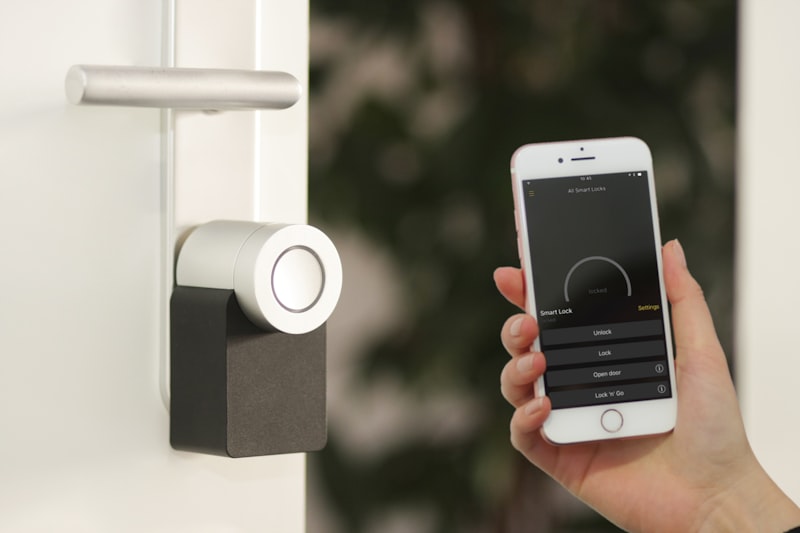
A conventional system typically includes door and window sensors, one or more fixed cameras, a control panel, and optional professional monitoring. Installation costs range from $200 to $1,500, with monthly monitoring fees of $20-$60.
Strengths:
- Proven reliability with decades of refinement
- 24/7 professional monitoring with emergency dispatch
- Integration with smart home ecosystems
- Insurance premium discounts
Limitations:
- Fixed cameras have blind spots and limited coverage angles
- Cannot investigate or respond to alerts autonomously
- Outdoor cameras are vulnerable to weather, theft, and tampering
- You get alerts but have to decide what to do about them yourself
Security Robots
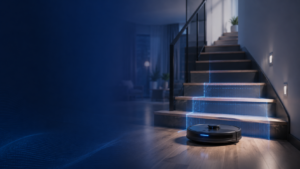
Home security robots range from indoor patrol units that roam your house to outdoor models that navigate your yard and driveway. They combine mobile cameras, sensors, two-way audio, and sometimes deterrent features like sirens and lights.
Strengths:
- Mobile surveillance eliminates blind spots
- Can investigate specific areas on demand or autonomously
- Multiple sensor types (camera, thermal, motion, audio) on one platform
- Visible presence acts as a deterrent
- Can follow movement and track an intruder across your property
Limitations:
- Battery-dependent, typically 4-8 hours of patrol before needing a recharge
- Weather sensitivity for outdoor models
- Higher upfront cost ($500-$3,000)
- Newer technology with less proven track record
- May not integrate with professional monitoring services
Can a Robot Replace Your Alarm System?
In most cases, no, at least not entirely. Security robots excel at surveillance and situational awareness but lack the integrated sensor network and professional monitoring that traditional systems provide. They cannot detect a door being forced open at 3am the way a contact sensor can.
The ideal setup combines both: a traditional alarm system for intrusion detection and monitoring, complemented by a security robot for active patrol and investigation. The robot fills the gaps that fixed cameras miss, while the alarm system provides the foundation of reliable detection and response.
The Bottom Line
If you already have a security system and want to enhance your coverage, a security robot is a compelling upgrade. If you are starting from scratch, invest in a solid traditional system first, then consider adding a robot for expanded coverage. The two approaches are complementary rather than competing.