
Ekso Bionics EksoNR
FDA-cleared neurorehab exoskeleton with adaptive SmartAssist for stroke and spinal cord injury recovery.

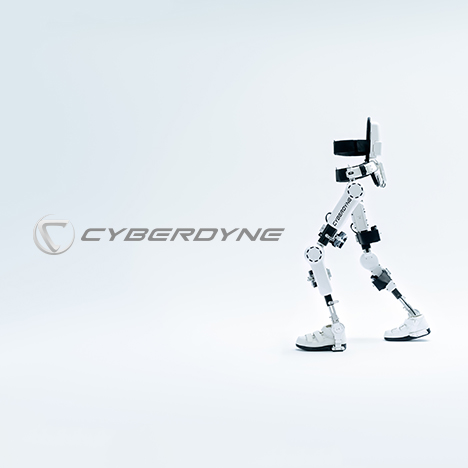
The Cyberdyne HAL (Hybrid Assistive Limb) Medical Exoskeleton is the world’s first treatment robot to use bioelectrical signals. Sensors on the skin detect faint nerve signals that the brain sends to muscles, and HAL responds by assisting the intended movement. This creates a feedback loop between brain and body that promotes neurological recovery.
Unlike exoskeletons that follow pre-programmed motions, HAL responds to the patient’s own intention to move, making it a true neurorehabilitation device. Clinical studies in Japan and Europe demonstrate that HAL therapy can restore voluntary movement in patients previously considered permanently disabled. It is the only exoskeleton with medical device approval in Japan and the EU.
| Control | Bio-electrical signal detection (EMG) |
|---|---|
| Joints | Hip, knee, ankle bilateral |
| Approval | Medical device (Japan, EU) |
| Conditions | Spinal cord injury, stroke, neurodegenerative |
| Weight | 14 kg (lower limb version) |
| Battery Life | 2.5 hours continuous use |
| Feedback | Real-time neural feedback loop |
A quick summary of where this model performs well and where it falls short.
Want to know more about the Cyberdyne HAL Medical Exoskeleton? Send us an enquiry and we'll get back to you with pricing, availability, and any details you need.
We've received your enquiry about the Cyberdyne HAL Medical Exoskeleton. We'll be in touch shortly.
FDA-cleared neurorehab exoskeleton with adaptive SmartAssist for stroke and spinal cord injury recovery.
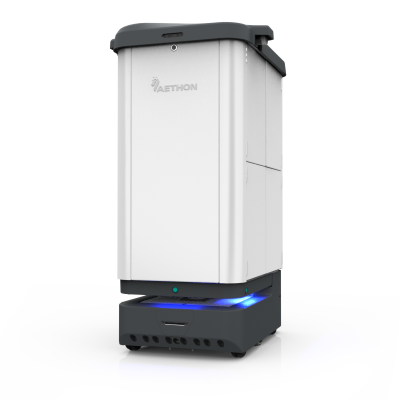
Heavy-duty hospital transport robot pulling 600 lb carts of meals, linens, and supplies.

Integrated spine surgery robot combining Mazor guidance with StealthStation real-time navigation.