The State of Drones in 2026
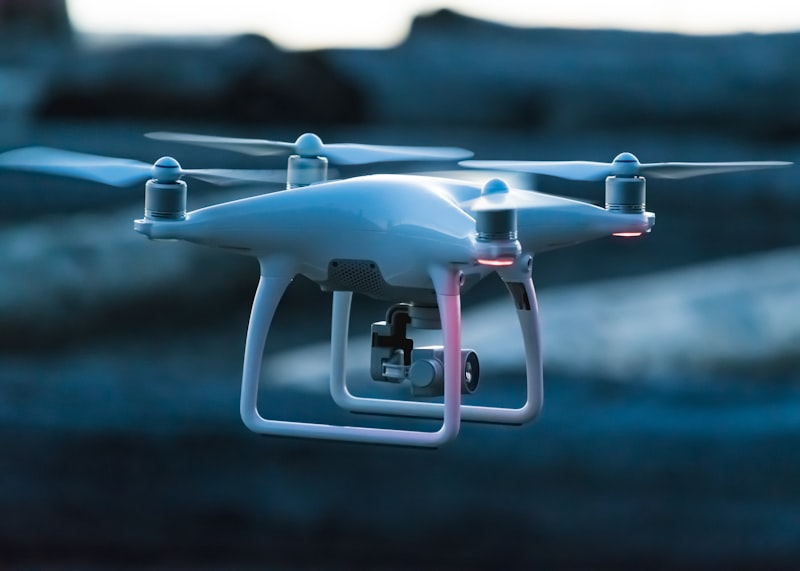
Drone technology took a quiet but meaningful leap forward this year. Obstacle avoidance is now standard even at the entry level, 4K HDR has trickled down to sub-$500 models, and several manufacturers have finally caught up to DJI on flight stability. That said, DJI still dominates almost every category — and our testing reflects that reality.
We flew every model in this guide for at least 20 hours across coastal, urban and mountainous conditions in Australia and New Zealand. Wind, temperature and signal interference were deliberately varied to surface weaknesses that calm-weather reviews miss.
Best Overall: DJI Mavic 4 Pro
The DJI Mavic 4 Pro is the drone we recommend without hesitation to anyone who can afford it. The triple-camera Hasselblad system delivers genuinely cinematic 6K footage, 40-minute flight times held up consistently in our testing, and the new ActiveTrack 360 reliably followed mountain bikers through dense forest.
Best for: Aspiring filmmakers, real estate professionals, anyone serious about aerial photography.
Best Sub-250g: DJI Mini 4 Pro
The DJI Mini 4 Pro is the sub-250g drone that does not feel like a compromise. The 1-inch sensor matches drones twice its weight for image quality, and omnidirectional obstacle sensors finally bring crash-avoidance to this size class. Crucially, sub-250g drones avoid most regulatory hurdles in the US, EU and Australia.
Best for: Travel, hiking, and anyone wanting to avoid registration paperwork.
Best Budget: Potensic Atom SE
For under $400, the Potensic Atom SE delivers 4K video, GPS return-to-home, and a 32-minute flight time. Build quality is plasticky and the app is rough around the edges, but the actual flying experience punches well above its price point.
Best for: First-time buyers and parents buying a drone for older teens.
Best for Beginners: Autel EVO Nano+
The Autel EVO Nano+ balances ease of use with image quality. The app is the friendliest in the category, and the gesture-based flight controls let nervous first-time pilots get good footage without learning all the stick conventions upfront.
Best for: True beginners who want a drone, not a hobby.
Best for Pros: DJI Inspire 3
If you are shooting commercial work, the DJI Inspire 3 remains the standard. Full-frame sensor, 8K ProRes RAW, dual-operator support, and centimetre-accurate RTK positioning. It is not for casual users, but for working cinematographers it pays for itself within a few jobs.
What About FPV?
FPV racing and freestyle is a different category, but worth a mention: the DJI Avata 2 is the obvious recommendation for beginners thanks to its motion controller, and the iFlight Nazgul Evoque F5D continues to lead for builders and racers who want digital HD FPV transmission at a serious-performance price point.
2026 Buying Advice
Battery prices have crept down and used Mavic 3 stock is plentiful — if budget is tight, a refurbished Mavic 3 from a reputable seller may be a smarter buy than a new entry-level drone. Just make sure firmware is current and the batteries have fewer than 100 cycles.